What are the first visual signs of mold?
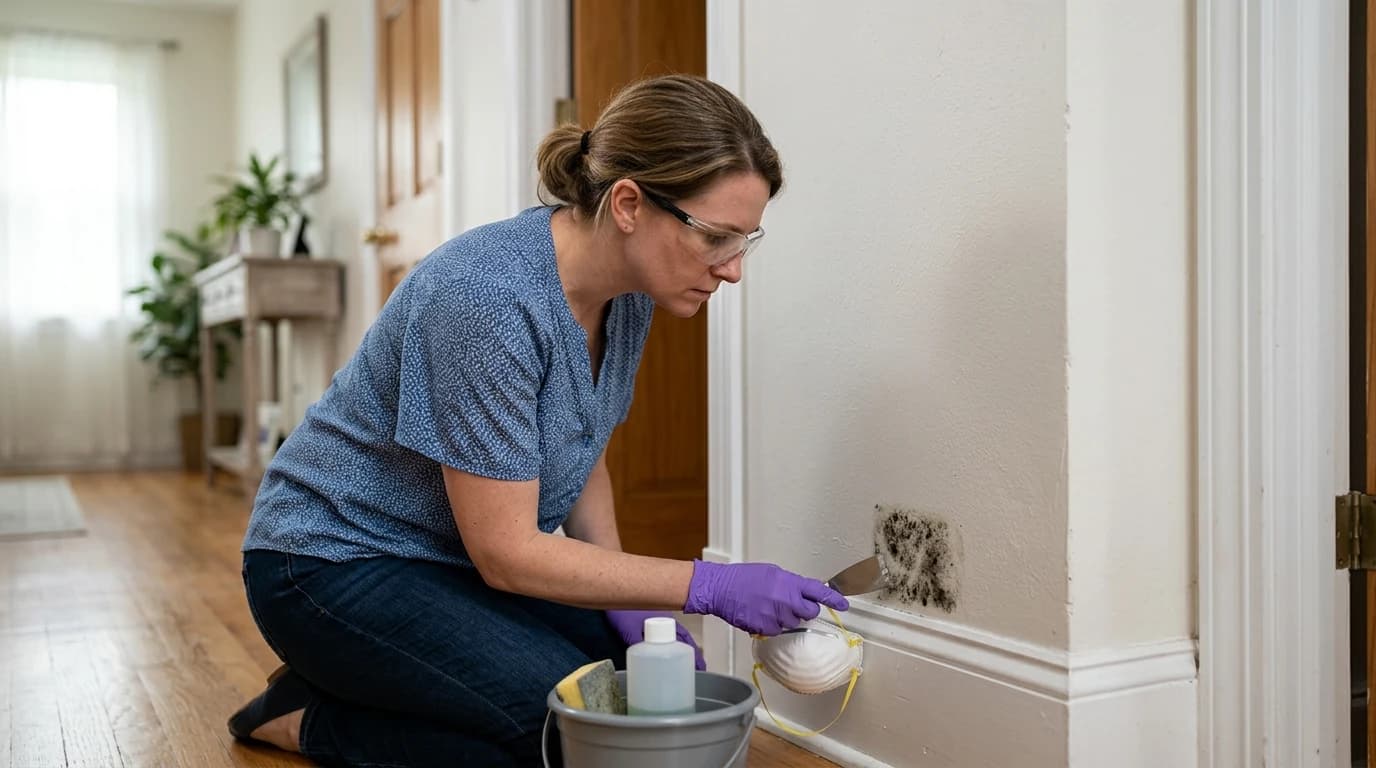
The earliest visual signs of mold often include small discolored patches on walls, ceilings, or around windows. These patches can be black, green, or even white, depending on the type of mold. Homeowners in Garfield should regularly inspect these areas, especially in rooms with high humidity like bathrooms and basements. Mold can start as tiny spots that may be mistaken for dirt or soot, but over time, these can grow and spread, causing more significant damage. Additionally, pay attention to any water stains or discoloration on walls or ceilings, as these can indicate moisture problems that often lead to mold growth. Inspect areas around pipes, under sinks, and near any water source for any signs of leaks or condensation, as these can create the perfect environment for mold to thrive. If you spot any unusual discoloration, it might be time to consider scheduling a professional mold inspection.
What kind of odors indicate mold presence?
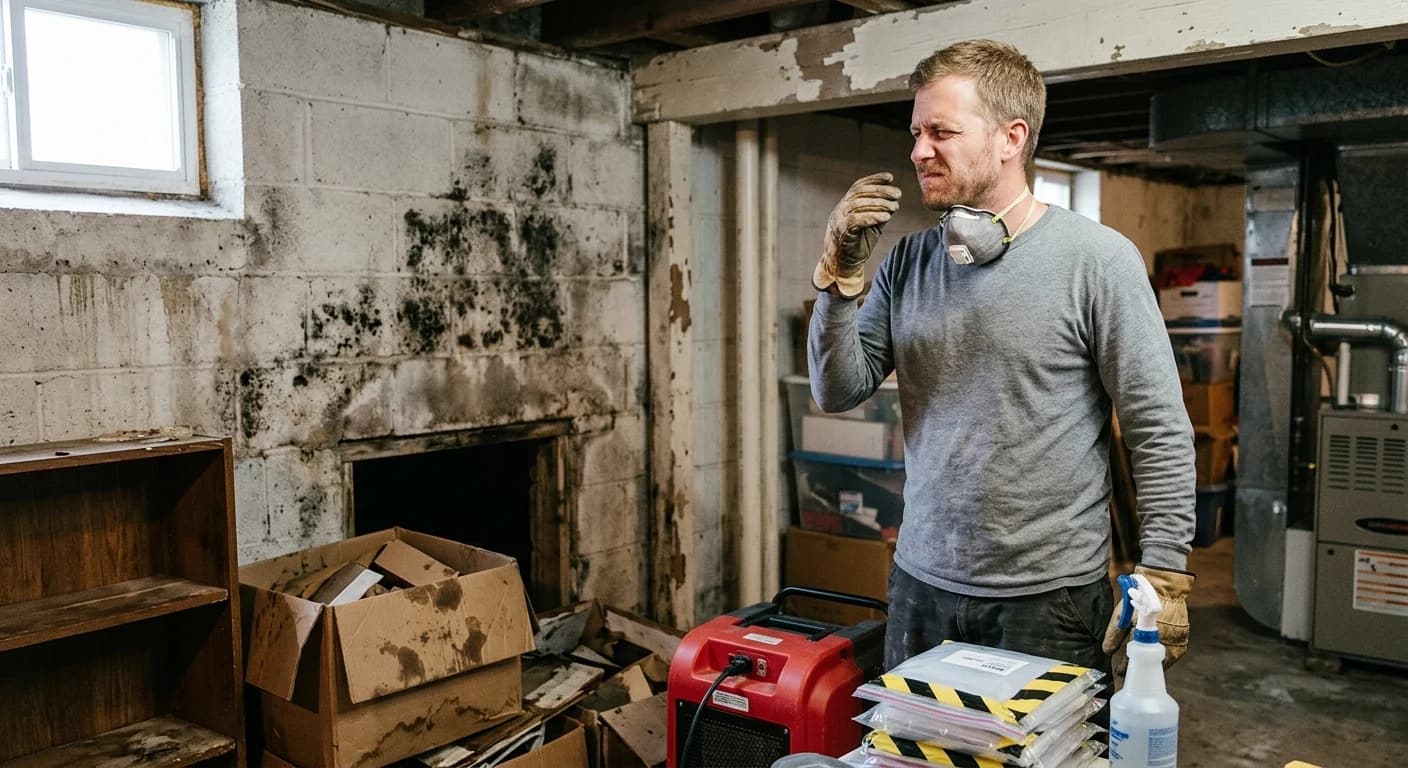
A persistent musty smell is a strong indicator of mold. This odor is often most noticeable in confined areas like basements or attics. If you notice such a smell, try to pinpoint the source. Mold could be hiding under carpets, behind wallpaper, or even inside HVAC systems. Trust your nose; if something smells off, it's essential to investigate further. It's important to remember that even if mold is not visible, a musty odor means mold is likely growing somewhere hidden. Checking crawl spaces, behind furniture, or in less frequently accessed areas can help locate the source. Consider using a dehumidifier to reduce moisture levels, which can help control mold growth. Also, make sure your home is well-ventilated to prevent moisture buildup, as stale, damp air can contribute to mold proliferation.
How can changes in health indicate mold?
Health symptoms such as persistent coughing, sneezing, or allergic reactions can be signs of mold exposure. If these symptoms worsen at home but improve elsewhere, mold might be the culprit. Residents of NJ should pay attention to these health changes and consult a professional if they suspect mold is affecting their health. Mold exposure can also lead to more severe symptoms such as headaches, fatigue, and skin irritation. Those with asthma or other respiratory conditions may find their symptoms exacerbated by mold. It is crucial to consider the health of your family and pets, as they can also be affected. If you notice a pattern of health issues that seem to be linked to time spent at home, it may be worthwhile to conduct an air quality test to determine if mold is present. Addressing mold issues promptly can help improve indoor air quality and overall health.
How to Prevent Mold Growth in Your Home?
Preventing mold growth begins with controlling moisture levels in your home. Start by ensuring that all areas, especially bathrooms and kitchens, have proper ventilation. Use exhaust fans or open windows to reduce humidity after showers or cooking. Regularly check and repair any leaks in your plumbing system, including under sinks and around appliances like dishwashers and washing machines. It's also important to clean and dry any water spills or leaks immediately to prevent mold from taking hold. Dehumidifiers can be particularly useful in damp areas like basements, helping to maintain a relative humidity level below 60%. Additionally, ensure that your gutters and downspouts are functioning properly to direct water away from your home's foundation. Consider using mold-resistant products, such as mold-inhibiting paints and drywall, in areas prone to moisture. Finally, conduct regular inspections of your home, focusing on areas that are hidden from view, like behind furniture and in closets, to catch any signs of mold early. By taking these proactive steps, you can significantly reduce the risk of mold developing in your home.
What to Do If You Find Mold?
If you discover mold in your home, it's crucial to act quickly to prevent it from spreading. Start by identifying and addressing the source of moisture that is feeding the mold. This might involve fixing leaks, improving ventilation, or using a dehumidifier. Once the moisture issue is resolved, you can begin the cleanup process. For small areas of mold, a mixture of water and detergent can be used to scrub the affected surfaces. Be sure to wear protective gear, such as gloves and a mask, to avoid inhaling mold spores. For larger infestations, or if the mold is located on porous materials like drywall or carpet, it may be necessary to remove and replace these materials. In such cases, or if you are unsure about the extent of the mold problem, it is advisable to contact a professional mold remediation service. They have the expertise and equipment to safely and effectively remove mold and prevent future occurrences. Remember, addressing mold promptly not only protects your home but also safeguards your health.
Understanding Mold Testing Options
When you suspect mold in your home, choosing the right testing method is crucial to accurately assess the situation. There are several options available, each with its own benefits. The most common method is air sampling, which involves collecting air from your home to analyze the concentration of mold spores. This method is particularly useful when mold is suspected but not visible. Surface sampling, on the other hand, involves taking samples from visible mold growth to identify the specific type of mold present. This can help determine the appropriate remediation strategy. Another option is bulk sampling, where materials from your home, such as pieces of drywall or carpet, are collected for analysis. This method provides a comprehensive understanding of mold presence within materials. Homeowners in Garfield can also consider hiring a professional mold inspector who can provide a detailed assessment using specialized equipment. It's important to choose a certified professional to ensure accurate results. Regardless of the method, understanding the extent of mold in your home is key to addressing it effectively. Testing can guide you in taking the necessary steps to protect your health and property from the harmful effects of mold.
Long-Term Strategies for Mold Prevention
Implementing long-term strategies is essential to keep mold at bay and maintain a healthy living environment. Start by improving your home's ventilation system. Ensure that your HVAC system is well-maintained and includes a high-efficiency particulate air (HEPA) filter to capture mold spores. Regularly clean and replace filters to prevent mold buildup. Additionally, consider installing exhaust fans in moisture-prone areas like bathrooms and kitchens to reduce humidity levels. Landscaping around your home can also play a role in mold prevention. Ensure that the ground slopes away from your home's foundation to prevent water accumulation. Regularly inspect and clean gutters and downspouts to ensure proper water drainage. Inside your home, use mold-resistant materials in areas susceptible to moisture, such as bathrooms and basements. These materials can significantly reduce the likelihood of mold growth. It's also beneficial to educate your household members about the importance of promptly addressing spills and leaks. By fostering a proactive approach to moisture control and home maintenance, you can effectively minimize the risk of mold development and ensure a safe, healthy environment for you and your family.
Identifying Mold in Uncommon Places
Mold doesn't always appear in the most obvious places, and being aware of less common areas can help in early detection. One often overlooked spot is inside your home's HVAC system. Mold can thrive in the ducts if there's excess moisture or if the system hasn't been cleaned regularly. It's advisable to schedule routine maintenance checks to ensure the system is free of mold and operating efficiently. Another area to inspect is behind large appliances, such as refrigerators or washing machines, where moisture can accumulate unnoticed. Additionally, check your attic and crawl spaces, as these areas often have poor ventilation, creating an ideal environment for mold growth. It's also wise to inspect your home's foundation and exterior walls for cracks or leaks, as these can allow water to seep in and create mold-friendly conditions. If you have a basement, ensure it's properly waterproofed and consider using a dehumidifier to maintain low humidity levels. By being vigilant and checking these uncommon areas, you can catch mold early and prevent it from spreading, thus protecting both your home and health.
DIY Mold Inspection: Tools and Techniques
Conducting a DIY mold inspection can be an effective way to identify potential mold issues before they become severe. Start by gathering essential tools such as a flashlight, moisture meter, and a small mirror for inspecting hard-to-reach areas. Begin your inspection by checking areas prone to moisture, such as bathrooms, kitchens, and basements. Use the flashlight to examine dark corners and behind furniture where mold might be hiding. A moisture meter can help detect high humidity levels or moisture in walls and floors, which are indicators of potential mold growth. Pay close attention to areas with previous water damage or leaks, as these are prime spots for mold. The small mirror can be useful for inspecting behind appliances or in tight spaces. While conducting your inspection, note any musty odors or visible signs of mold, such as discoloration or spotting. If you find mold or suspect its presence, it's crucial to address the moisture source immediately. While DIY inspections can be helpful, they may not replace professional assessments, especially for extensive mold problems. Consider consulting a mold remediation expert if you encounter significant mold issues during your inspection.