How does untreated mold affect health?
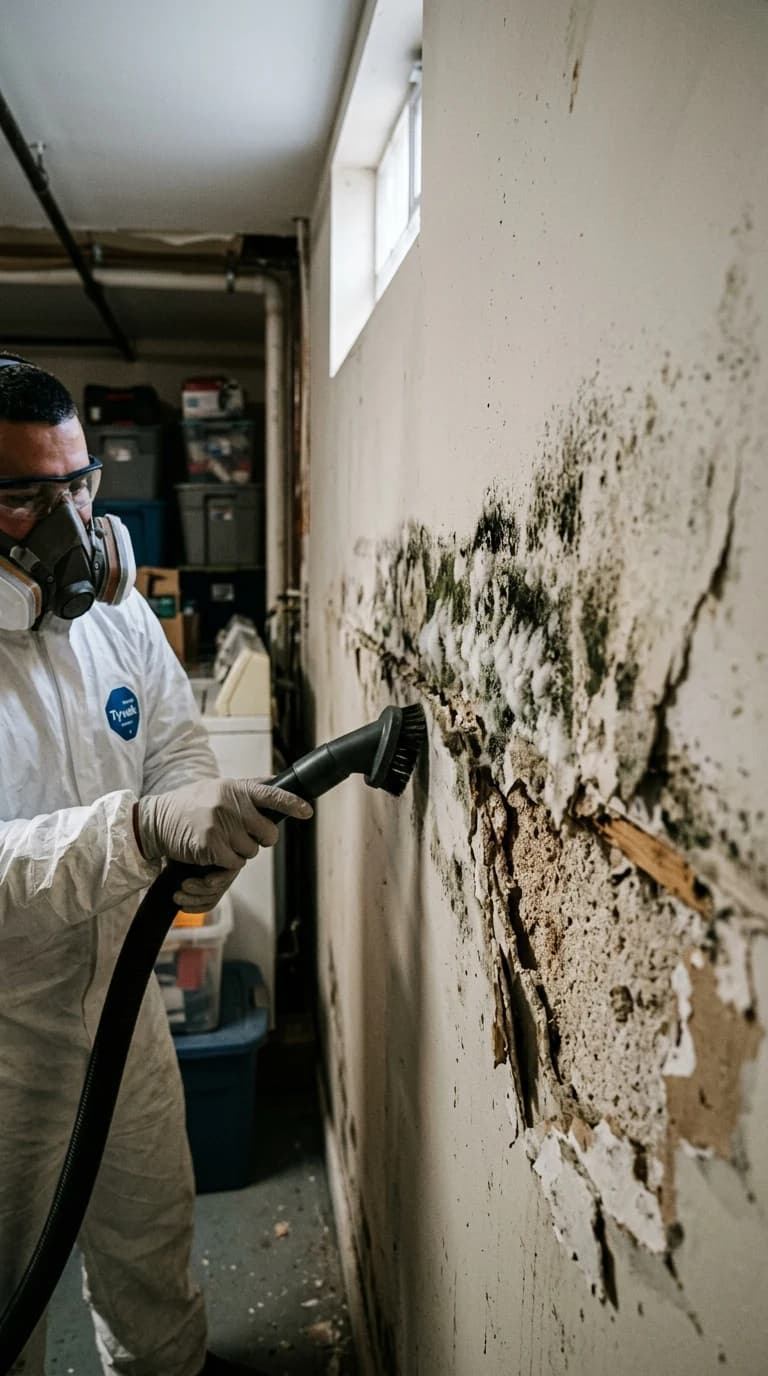
Mold exposure can lead to a variety of health issues, ranging from mild to severe. For many people, especially those with existing respiratory conditions like asthma, exposure to mold spores can exacerbate their symptoms. This can result in increased frequency of asthma attacks, more pronounced symptoms, and a greater reliance on medication. Beyond respiratory issues, mold exposure is known to cause allergic reactions. These reactions can manifest as persistent sneezing, runny nose, red eyes, and skin rashes. In some cases, individuals may develop mold-induced asthma, even if they have not previously suffered from asthma. People with weakened immune systems, such as the elderly, infants, or those undergoing chemotherapy, are particularly vulnerable. For these groups, exposure can lead to more serious infections, as their bodies are less capable of fighting off the harmful effects of mold. It's crucial for Garfield residents to recognize these potential health risks and take proactive measures to address mold growth promptly. Engaging professional mold removal services ensures thorough remediation, protecting the health of all household members.
Can mold damage your home structurally?
Yes, untreated mold can cause significant structural damage over time. Mold is particularly insidious because it thrives in damp, dark environments that are often hidden from view, such as behind walls or under floors. It feeds on organic materials found in wood, drywall, and insulation, gradually deteriorating these materials. This can lead to weakened walls, ceilings, and floors, which not only compromise the safety of your home but can also result in costly repairs. For instance, if mold is allowed to proliferate within wall cavities, it can weaken the wooden studs that provide structural support. Over time, this can lead to warping or even collapse. Similarly, mold growth in attics or basements can damage support beams and floor joists, creating hazardous conditions. Regular home inspections, especially in older properties or those with a history of moisture issues, can help identify mold problems before they become severe. Professional interventions are recommended to ensure that mold is not just superficially removed, but eradicated from its source, preventing future growth. Residents of NJ, including those in Garfield, should be particularly vigilant, as the region's climate can foster conditions conducive to mold growth.
What are the financial implications of ignoring mold?
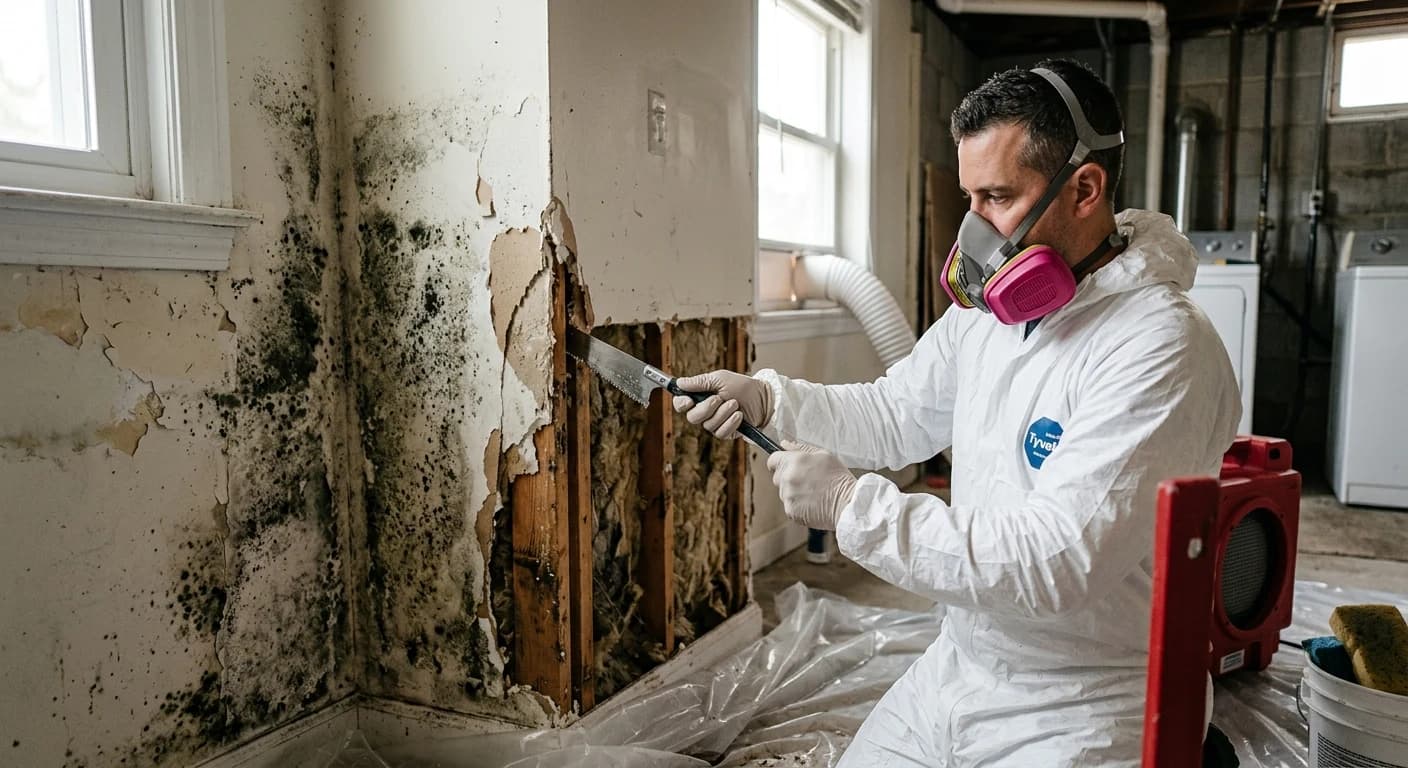
Ignoring mold can have substantial financial repercussions. Initially, it might seem cost-effective to delay addressing a small mold issue, but this can lead to much larger expenses in the long run. As mold spreads, the cost of remediation increases, not only because of the expanded area that needs treatment but also because of the potential structural repairs that may become necessary. For instance, if mold compromises the integrity of walls or floors, homeowners might face the additional cost of structural repairs along with mold remediation. Moreover, the presence of mold can significantly depreciate the value of a property. Potential buyers are often deterred by the prospect of mold issues, fearing health risks and future costs. This can result in a property remaining on the market longer than anticipated or selling for less than its market value. For homeowners in NJ, investing in professional mold remediation services early can be a financially sound decision. It not only preserves the integrity and safety of the home but also maintains its market value. For those concerned about costs, some insurance policies may cover mold damage, so it's worth checking with your provider. To learn more about professional mold removal services, visit our services page.
How does mold affect indoor air quality?
Mold growth can significantly deteriorate the quality of indoor air, impacting the well-being of those who inhabit the space. When mold spores become airborne, they can be inhaled, leading to respiratory issues and allergic reactions. This is particularly concerning in homes with poor ventilation, where mold spores can accumulate and persist. Mold can emit a musty odor, which is often the first sign of its presence. This odor can be unpleasant and difficult to eliminate without addressing the root cause. Moreover, the presence of mold can increase the concentration of volatile organic compounds (VOCs) in the air, which can contribute to headaches, dizziness, and fatigue. To improve indoor air quality, it's essential to address any moisture issues that may be contributing to mold growth. This can include repairing leaks, ensuring proper ventilation in bathrooms and kitchens, and using dehumidifiers in damp areas. Regular cleaning and maintenance can also help prevent mold spores from settling and proliferating. For residents in areas like Garfield, where humidity levels can be high, taking these preventative measures is crucial for maintaining a healthy indoor environment. Professional mold remediation services can provide comprehensive solutions to improve air quality and prevent future mold issues.
Steps to prevent mold growth in your home
Preventing mold growth requires a proactive approach to managing moisture and maintaining cleanliness in your home. Start by identifying and fixing any leaks in roofs, walls, or plumbing to prevent water accumulation. Ensure that your home is well-ventilated, particularly in areas prone to moisture, such as bathrooms, kitchens, and basements. Installing exhaust fans can help reduce humidity levels, minimizing the conditions that mold needs to thrive. Regularly cleaning and drying surfaces that frequently get wet, like shower walls and window sills, can prevent mold spores from taking hold. Using mold-resistant products, such as mold-resistant drywall or paint, can also be effective in high-risk areas. Dehumidifiers can be a valuable tool in keeping indoor humidity levels below 60%, which is ideal for preventing mold growth. It's also important to keep gutters and downspouts clear to avoid water pooling around your home's foundation. For those living in regions with high humidity, like parts of NJ, these preventative measures are especially important. By maintaining a dry and clean environment, you can significantly reduce the risk of mold development. If you suspect mold presence, consulting with a professional mold remediation service can provide peace of mind and ensure your home remains safe and healthy.
The impact of mold on personal belongings
Mold doesn't just affect the structure of your home; it can also cause significant damage to your personal belongings. Items made from organic materials, such as clothing, books, and furniture, are particularly vulnerable to mold growth. Mold can cause discoloration, unpleasant odors, and deterioration of these items, rendering them unusable or requiring costly restoration. For instance, mold on upholstered furniture can lead to permanent staining and a musty smell that is difficult to remove. In the case of books and important documents, mold can cause pages to become brittle and illegible over time. To protect your belongings, it's crucial to store them in dry, well-ventilated areas. Using airtight containers for storage can prevent moisture from reaching your items. Regularly inspecting and cleaning areas like closets and storage rooms can help catch any early signs of mold growth. If you discover mold on your belongings, it's important to act quickly. Depending on the severity, some items may be salvaged through professional cleaning services specializing in mold remediation. For residents in areas prone to humidity, such as Garfield, taking these precautions can save both sentimental and valuable items from irreparable damage.
Legal and insurance considerations with mold
When dealing with mold in your home, it's important to understand the legal and insurance implications. Many homeowners are unaware that their insurance policies may not cover mold damage, especially if it is deemed to be the result of negligence or a lack of maintenance. It's crucial to review your policy and understand what is covered. Some policies may cover mold damage if it results from a covered peril, such as a burst pipe, but not from long-term moisture issues. In cases where mold becomes a significant issue, legal disputes can arise, particularly in rental properties. Tenants may have the right to demand repairs or even terminate a lease if the mold poses a health risk and the landlord fails to address it adequately. Homeowners should document any mold issues and the steps taken to remediate them to protect themselves legally. Keeping records of inspections, repairs, and communications with insurance providers can be invaluable if disputes arise. For those living in NJ, where mold can be a common issue due to climate conditions, staying informed about your rights and responsibilities is crucial. Consulting with legal or insurance professionals can provide clarity and ensure you're adequately protected against potential financial and legal challenges.